
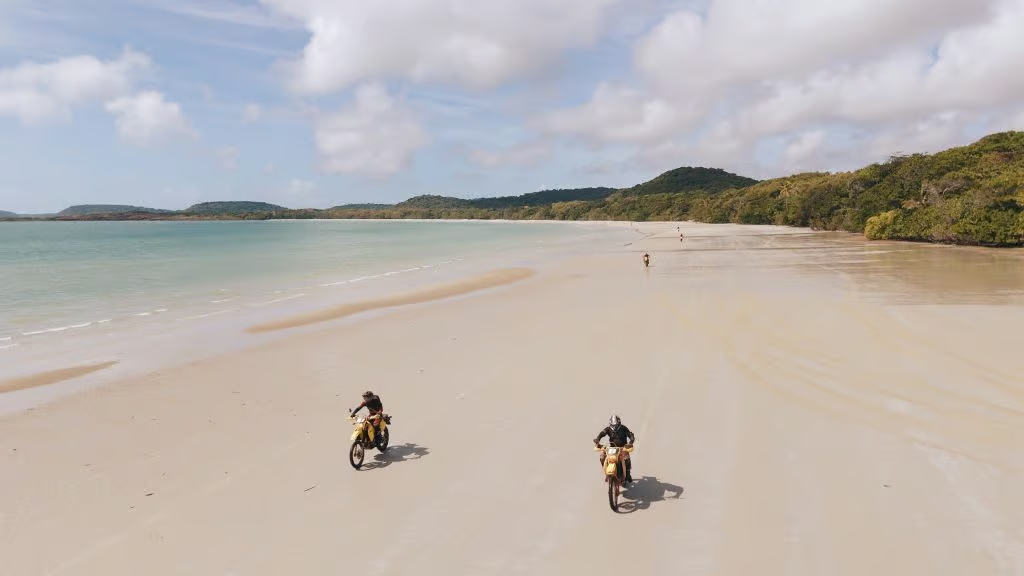
If you’ve ever ridden in sand, you know how intimidating it can be. You either love riding it or completely loathe it. The front wheel has a mind of its own and it can quickly shake your confidence if you’re not used to it.
The good news is that once you learn a few techniques, sand riding can become quite fun. And in Cape York, sand is just part of the adventure and there’s plenty of it. With a few simple tricks, you can go from sand victim to sand legend without losing your dignity. Check out our beginners guide to Cape York for some extra tips.
If you’re ready to learn how to ride sand on a motorbike, this guide will walk you through the most important fundamentals so you can approach your first sand ride with confidence.
Why Sand Riding is so Hard
Sand is unpredictable. Unlike hard packed dirt, your tyres are constantly sinking and moving which means:
- Less traction
- More bike movement
- A constant feeling of instability
The key to sand riding is learning to work with the bike, not against it.
1. Body Position-Keep your Weight Back
If you’re riding seated on soft sand, you’re making things harder than they need to be. One of the most important things when riding sand is shifting your weight towards the back of the bike. This helps lighten the front wheel and gives you far better control. It also lets the bike move around underneath you without taking you down with it.
Small adjustments can make a huge difference. Standing on the pegs, bending your knees slightly, relaxing your grip and leaning back a little will allow you to float over the surface instead of ploughing through it.
- Whenever the sand gets super soft or unpredictable, stand up on your foot pegs. This does two things- it shifts your weight backwards which lightens the front wheel and reduces the chance of it digging in and it allows the bike to move on its own beneath you.
2. Maintain Momentum-Speed is your Friend
Momentum is your best friend when it comes to sand riding. Going too slow is where most riders get into trouble. That front wheel starts to wobble, you panic, you brake and next thing you know, you’re on the ground. Slowing down too much can cause the front wheel to sink and wander.
A steady, committed pace helps keep the bike moving smoothly and gives you more control. Its hard to wrap your mind around the idea that you need to go faster but you will be grateful. That said, don’t go full send on your first attempt- work up to it and read the terrain ahead. On the plus side, falling on sand is the best surface to land on.
Pro Tip: If you’re slowing down and feel the front end washing out, resist the urge to brake harder. A small burst of throttle can actually save you and keep you upright and moving forward.
3. Let the Bike move
One of the biggest mistakes riders make is trying to fight the handlebars. In sand, the bike will wiggle- that’s fine. Let it wiggle. Grip it too hard and you will fight every movement, which gets tiring fast.
A tense rider fights every movement the bike makes. Sand requires you to be loose and reactive. Keep a firm but relaxed grip, bend your knees slightly whilst also gripping the bike with them. If you try to fight it, you will find yourself with serious arm pump and extreme exhaustion. Let the bike do its thing and it will just power through the sand.
When it comes to braking, being aggressive on the front brake can very quickly end with the front wheel tucking in and you going over the handlebars. The rear brake should do most of the work with the help of engine braking- roll off the throttle a little to help slow you down.
4. Read the sand-Look where you want to go
Not all sand is equal. Wet, compacted sand is your best friend- firm, grippy and forgiving. Dry, loose and hot sand is the villain of the story.
Just like in most types of riding, your eyes play a huge role. Look ahead to where you want the bike to go rather than focusing on the sand right in front of you. Your body and the bike will naturally follow.
Not sure when the right time to tour Cape York is? Read our guide on the Best Time to Ride Cape York.
5. Practice Builds Confidence
Sand riding gets easier the more you do it. After a few sections, most riders start to feel more comfortable and even start to enjoy it. If you do go down, sand is actually one of the more forgiving surfaces to fall on
On our tours at Ride Industries, our guides are always there to help riders improve their technique and confidence. Check out our Tips for riding Cape York to make sure you’ve covered all bases.
The Bottom Line
Riding in sand on a motorbike might feel challenging and scary at first, but its all part of a Cape York adventure. By the end of the trip, its often one of the things riders feel most proud of conquering. Take your time in the beginning and ride within your limits. Focus on building good habits from the start and you’ll be a sand riding master in no time.
If you’re ready to tackle sand riding in Cape York, join us on a 7 day motorcycle tour through some of North Queensland’s most beautiful landscapes.